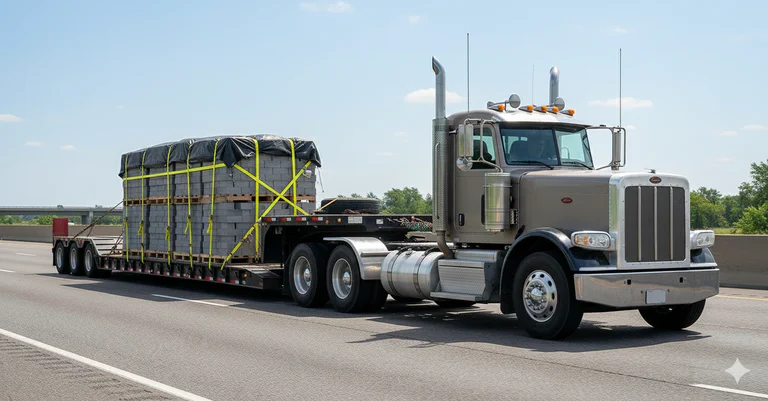
Standard flatbed trailer hauling construction materials

When freight won’t fit a dock or an enclosed trailer

Flatbed Shipping for Oversized & Non-Dock Freight

Flatbed trailers are used for equipment, long materials, and job-site deliveries that can’t load at a warehouse dock and require forklift, crane, or ground-level unloading.

We move load that others can't (or won't).

When Do You Need Flatbed Shipping?

Nationwide Flatbed Shipping for Equipment, Materials & Oversized Loads

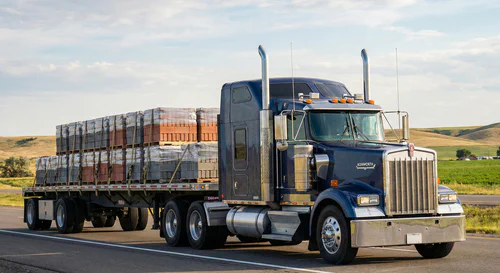
A photograph of a truck hauling concrete pavers on a flatbed trailer. A photograph of a truck hauling concrete pavers on a flatbed trailer.

Most customers don’t start by searching for flatbed shipping. They contact us after discovering their shipment can’t be loaded at a dock or won’t fit inside a standard trailer.

If equipment must be driven onto a trailer, materials are too long or wide, or delivery is going to a farm, job site, or waterfront property, the shipment usually requires a flatbed or specialized trailer.

You likely need a flatbed trailer if your shipment involves:
• Equipment that must be driven, rolled, or lifted onto the trailer
• Freight too wide or tall for an enclosed trailer
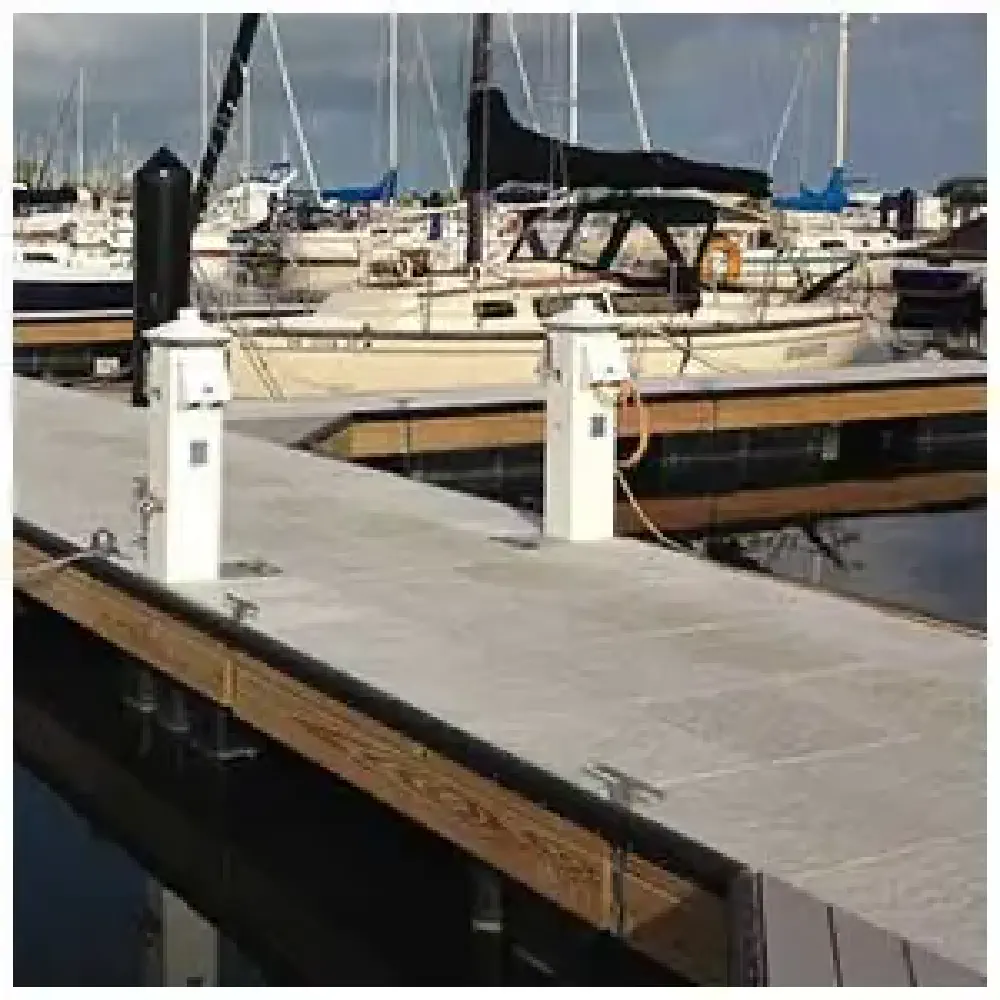
• Deliveries to farms, ranches, construction sites, or marinas
Long materials such as pipe, beams, or dock sections
• Building materials including lumber, trusses, or steel
• Loads that must be unloaded by forklift, crane, or job-site equipment

Once we confirm the shipment requires an open trailer, the next step is choosing the specific trailer configuration that safely fits the freight dimensions and delivery location.
Flatbed Trailer Types Explained

Different shipments require different trailer configurations. After reviewing the freight dimensions and delivery location, we determine which trailer allows the load to move safely and legally.

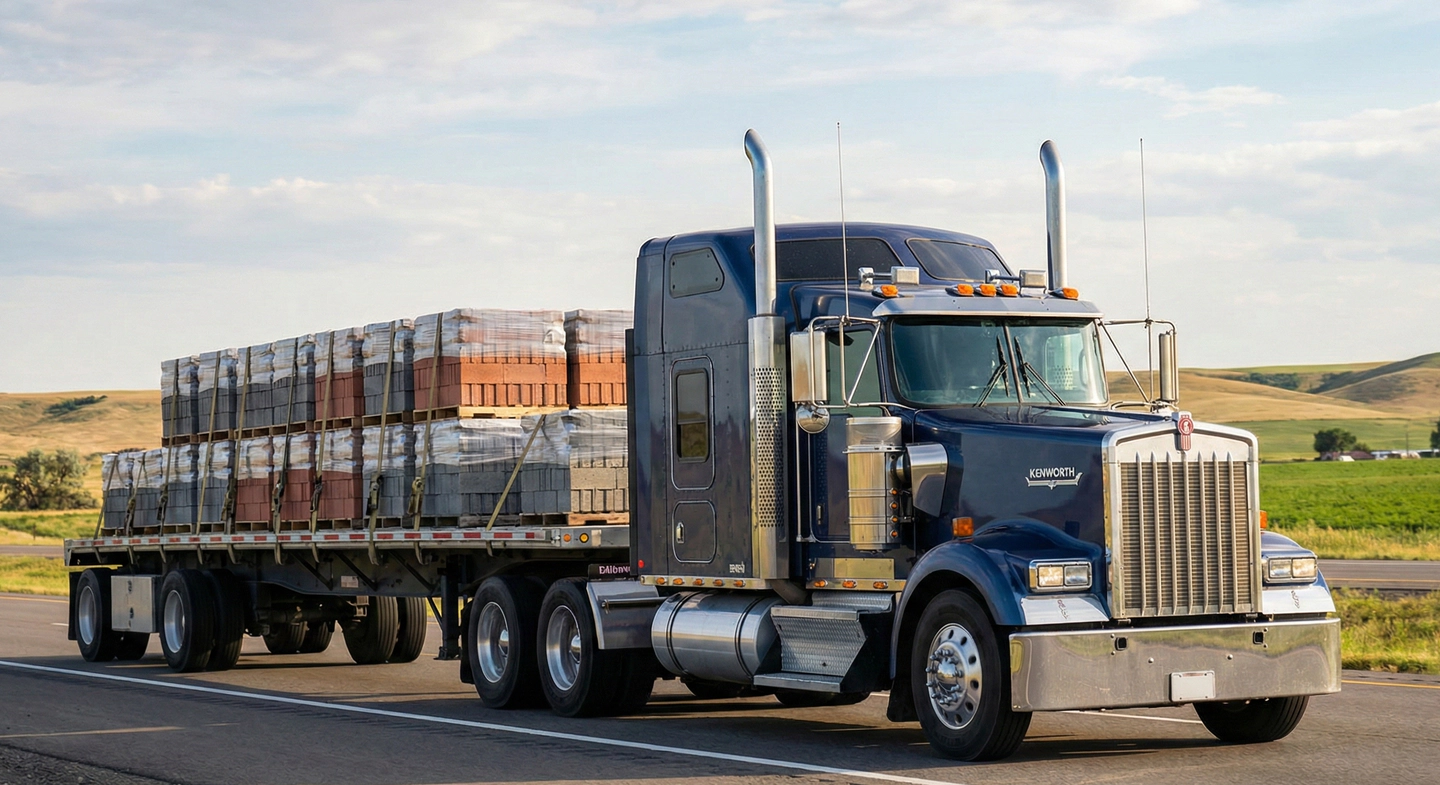
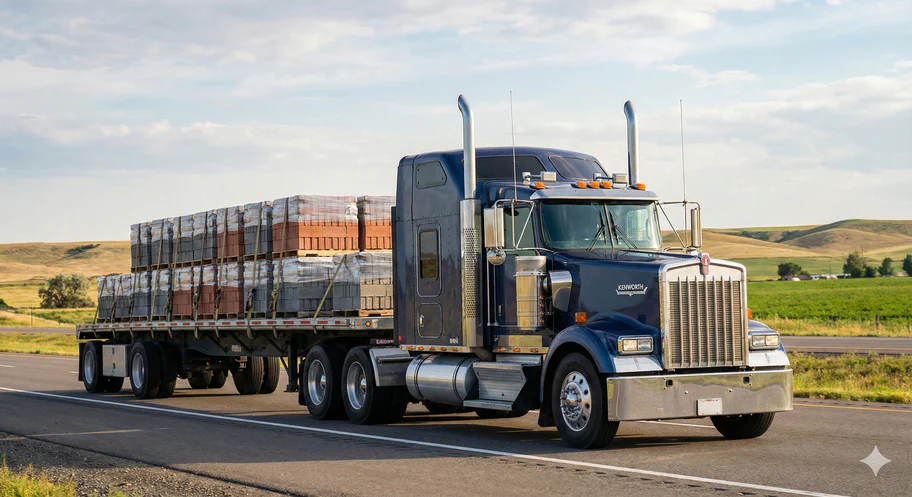
Standard flatbed trailer hauling construction materials
Standard Flatbed

Used for materials, pallets, and equipment that can be loaded from the side or top and unloaded by forklift or crane.

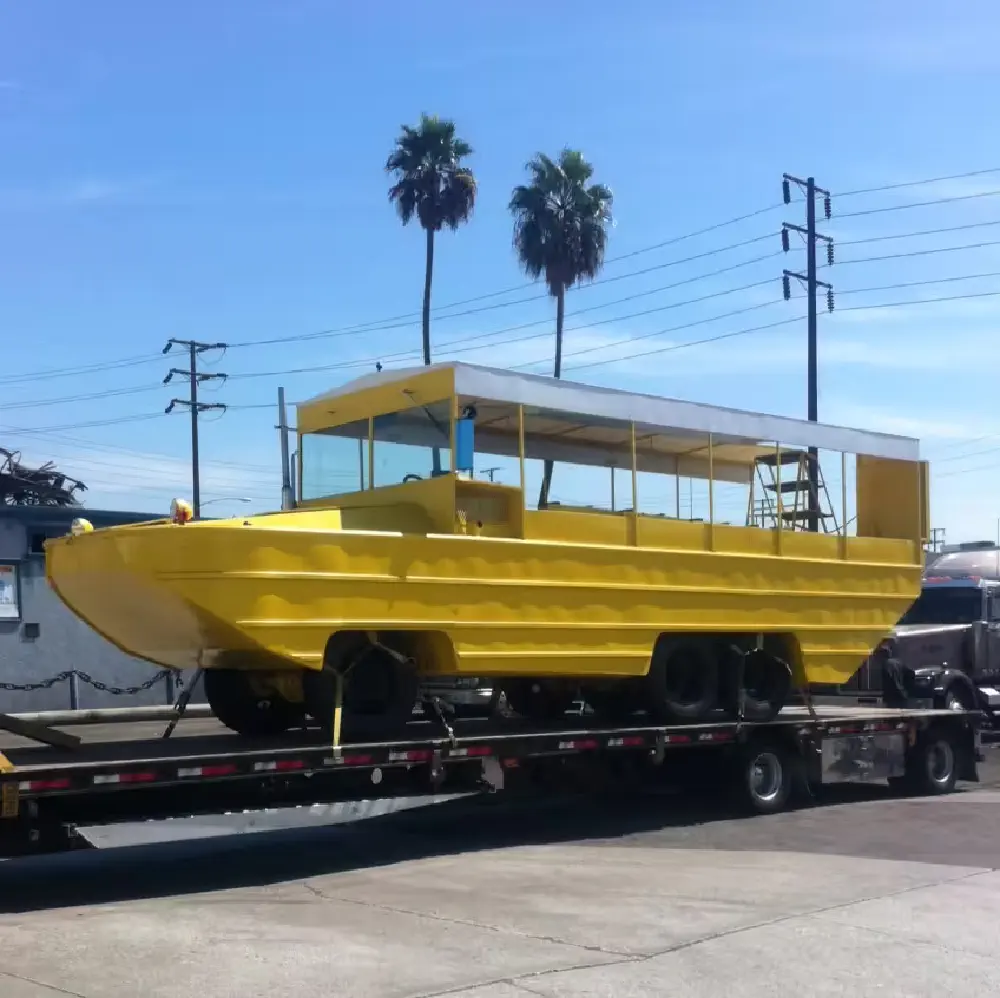
Step deck trailer transporting farm supplies

Step-Deck (Drop-Deck)

Used when freight is too tall for a standard trailer but does not require heavy-haul equipment. Common for machinery and taller equipment.

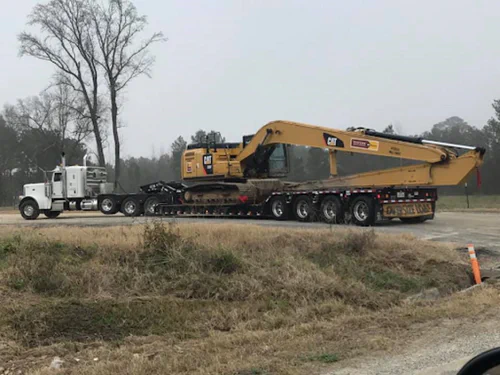
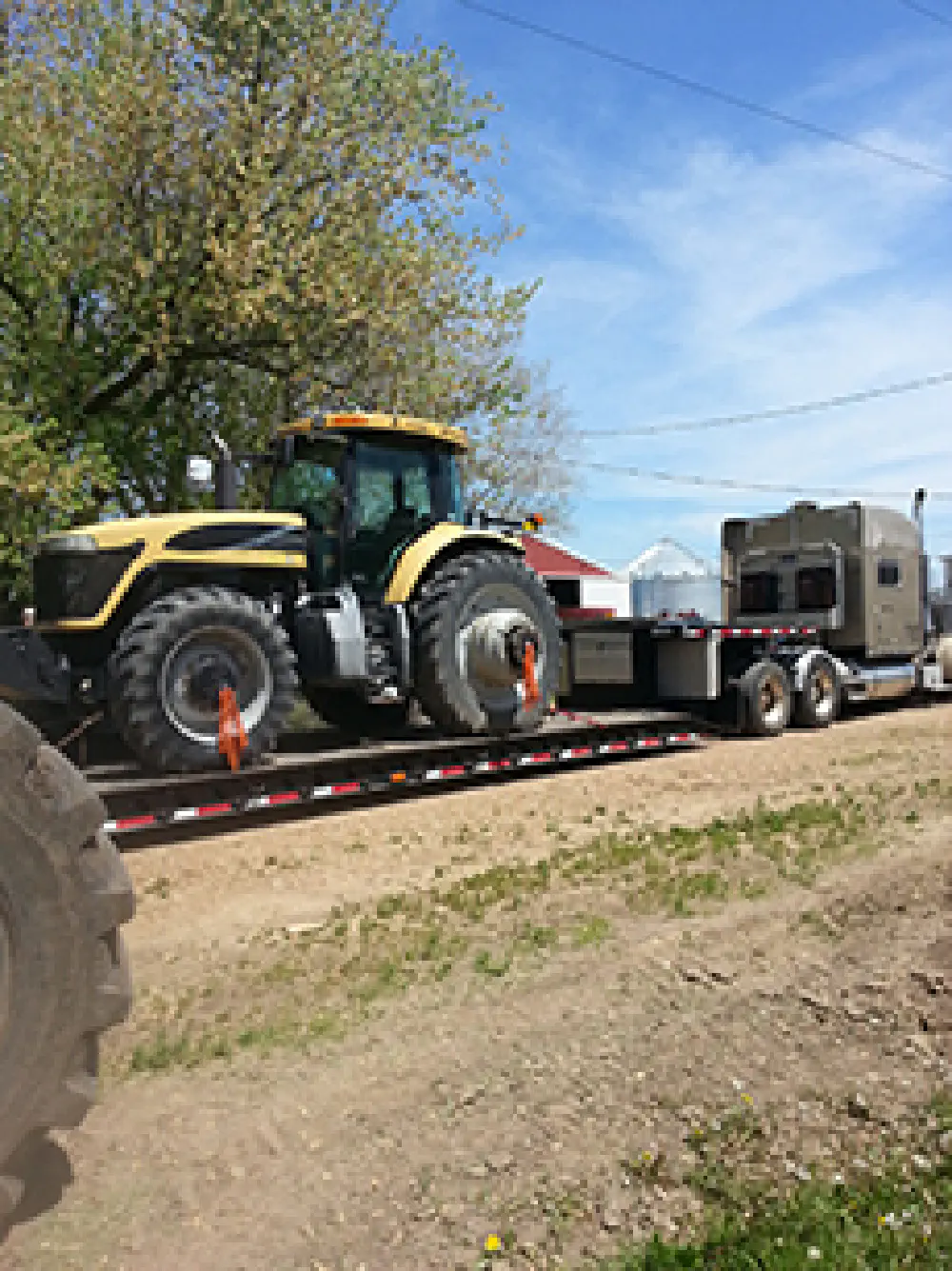
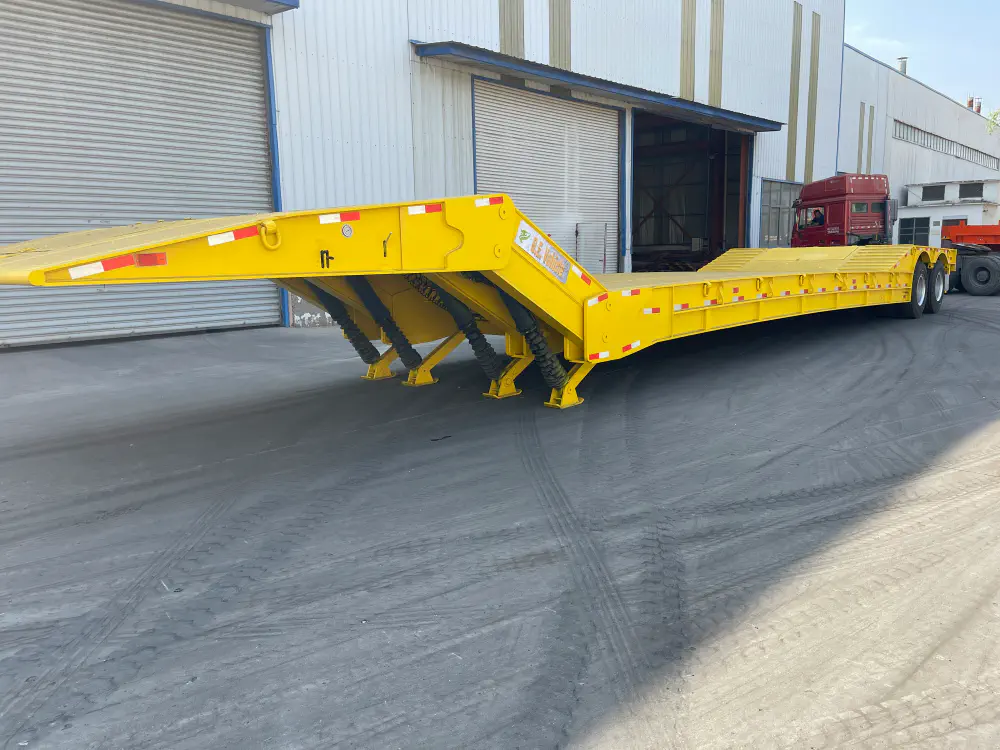
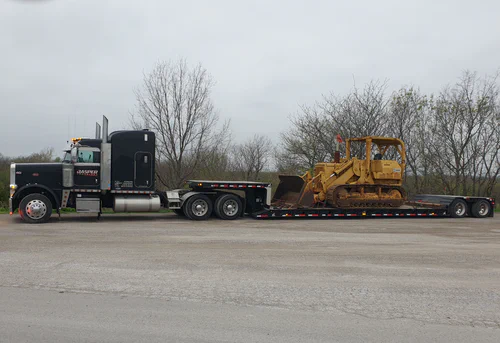
Lowboy trailer hauling excavator heavy equipment transport

Lowboy / RGN (Removable Gooseneck)

Used for heavy machinery or very tall equipment that must be driven onto the trailer and moved at a lower deck height.

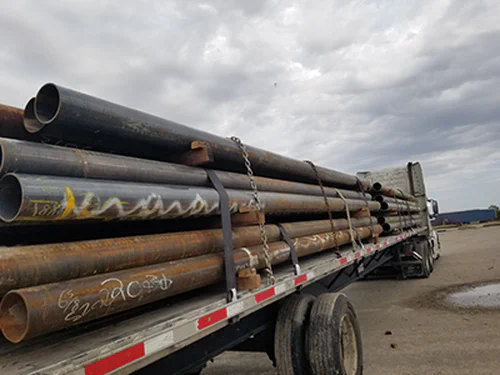
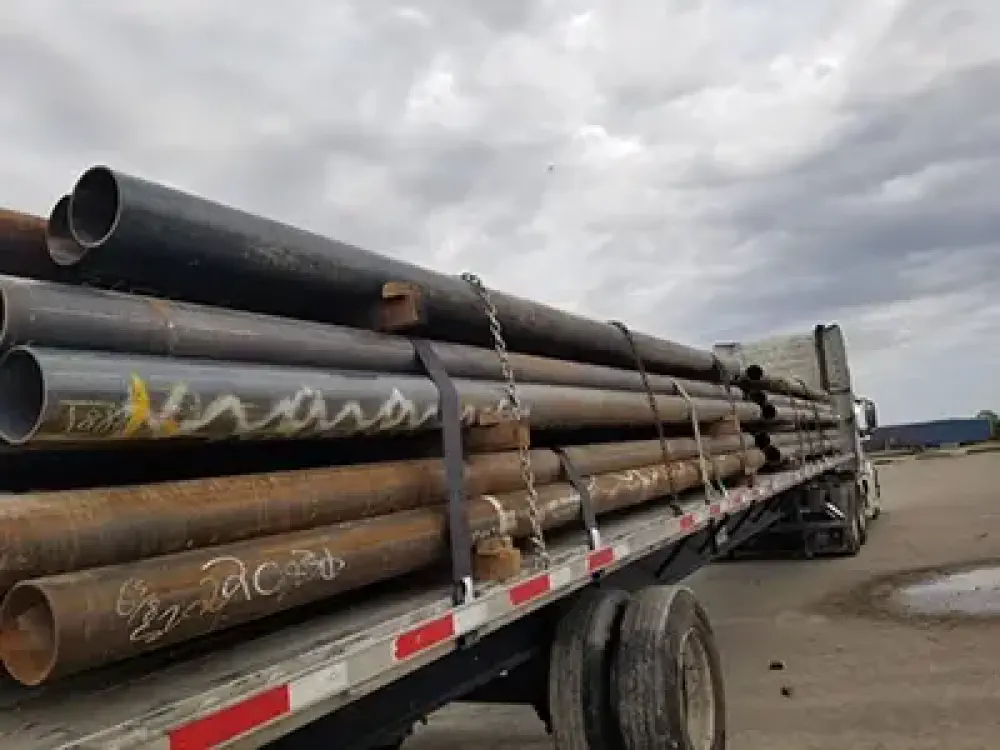
Extendable flatbed hauling long pipe

Extendable (Stretch) Flatbed

Used for very long freight such as beams, pipe, trusses, and dock sections.

What We Ship on Flatbeds

We transport a wide range of open-deck freight. If it loads from the top, side, or rear, or doesn’t fit inside a dry van — it belongs on a flatbed.

Photo of an American map with location markers.
Farm & construction machinery
Steel, lumber & building materials
Modular structures & oversized crates
Palletized or crated freight
Industrial equipment & components
HVAC units, generators, tanks

If you’re unsure which trailer your shipment needs, we can review the dimensions and confirm it for you.

Nickels Brokerage is a trusted partner for all your flatbed transport needs

Why Choose Nickels Brokerage for Flatbed Transport

Transporting open-deck freight requires experience, precision, and the right equipment — and that’s exactly what Nickels Brokerage delivers. Flatbed loads demand careful trailer selection, proper securement, compliance with height and weight restrictions, and a carrier network that understands how to handle machinery, materials, pipe, or oversized components safely.

Whether you’re shipping agricultural equipment, construction materials, fencing pipe, industrial machinery, or mixed open-deck freight, we provide the expertise and communication needed to ensure your load arrives safely, on time, and without unnecessary complications. Our team evaluates every detail upfront, giving you confidence at every stage of the shipment.

Deep Experience With Open-Deck Freight
We understand loading, securement, routing, weight distribution, and DOT requirements for flatbed, step-deck, and double-drop shipments.
Nationwide Carrier Network
Reliable flatbed capacity across all 50 states — including rural deliveries, farms, marinas, job sites, and industrial yards.
Correct Trailer Matching
Standard flatbed, step-deck, double-drop, extendable/stretched trailers — matched to your freight dimensions and height requirements.
Safe Securement & Load Protection
We work with carriers skilled in chains, straps, edge protection, blocking, tarping, and proper securement practices.
Transparent Pricing & Real Communication
Honest quotes and direct communication from the same freight expert from start to finish.
Versatile Shipping Options
Whether you're shipping a one-time load or recurring freight, we adjust to your schedule and volume.

How Our Flatbed Shipping Process Works

We follow a meticulous step-by-step process to ensure the successful delivery of your freight.

Provide Load Details

Send us full freight specs: dimensions, weight, shape/form, required delivery site conditions, and photos if available.

Trailer Selection

Flatbed, step-deck, double-drop, or extended equipment — based on height and length needs.

Securement & Protection Planning

We plan tarping, strapping, blocking, or chain requirements based on freight type.

Carrier Assignment

We assign experienced, insured flatbed carriers.

Transport & Communication

Proactive updates from pickup to delivery.

Delivery Coordination

We coordinate arrival timing, site access, and unloading requirements.

Flatbed Freight Common Questions

Customers often have questions after being told their shipment requires a flatbed trailer. These are the most common ones we help answer.

What is the difference between a flatbed and a step-deck trailer?
A standard flatbed trailer has a single deck height. A step-deck (drop-deck) trailer has a lower rear deck that allows taller equipment to travel under legal height limits without requiring oversize permits in many cases.
When is a lowboy trailer required?
Lowboy or RGN trailers are used when equipment is very heavy or very tall and must be driven onto the trailer at ground level. Common examples include excavators, large tractors, and construction machinery.
Can flatbed freight be delivered to a farm or job site?
Flatbed shipments are commonly delivered to locations without loading docks, including farms, construction sites, rural properties, and waterfront installation areas. Delivery timing and access are coordinated in advance.
Does flatbed freight require permits?
Permits are only required if the shipment exceeds legal road limits for width, height, length, or weight. We review the dimensions and handle routing and permits when necessary.
How is freight secured on a flatbed trailer?
Loads are secured using chains, straps, binders, and blocking depending on the cargo type. Carriers follow federal securement standards to prevent shifting during transit.
What equipment is needed to unload a flatbed shipment?
Most flatbed deliveries require a forklift, crane, loading ramp, or equipment capable of lifting or driving the freight off the trailer. We confirm unloading requirements before scheduling delivery.

Related Shipping Services

Explore other types of specialized freight we coordinate nationwide.

A photograph of a semi truck hauling concrete pavers on a flatbed truck. A photograph of a semi truck hauling concrete pavers on a flatbed truck.

Get a Quote

Ship Your Freight With the Right Trailer

Send us the shipment dimensions and delivery location. We’ll confirm the trailer type, timing, and any permit needs before scheduling a truck.